Customs Clearance in China
Customs Clearance in China
A Complete Guide
Customs clearance is an essential step in global trade, especially for goods entering or leaving China. The process ensures that all imports and exports meet the required regulations and that the correct taxes and duties are paid. Proper handling of customs clearance can prevent delays, fines, or confiscation of goods.
This guide provides a comprehensive understanding of customs clearance procedures in China, the importance of accurate documentation, and tips to ensure a smooth and efficient clearance process.
1. What is Customs Clearance?
Customs clearance is the process that allows goods to pass through international borders while complying with customs regulations. It involves preparing and submitting documentation, paying necessary taxes, and ensuring the goods meet legal requirements.
In China, customs clearance involves strict protocols designed to regulate trade, prevent illegal activities, and ensure compliance with local standards.
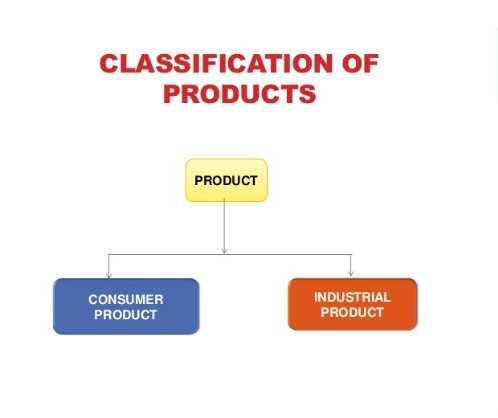
2. Importance of Correct Product Classification
What Are HS Codes?
The Harmonized System (HS) is a globally recognized coding system used to classify products. These codes determine the tariffs, duties, and standards applicable to a product.
• Why Accurate Classification Matters:
- Avoids legal penalties and fines.
- Ensures faster customs processing.
- Reduces the risk of delays or rejection of goods.
Example: A misclassified product may be subjected to incorrect duties, resulting in higher costs or legal issues.
3. Role of Customs Brokers
Customs brokers are licensed professionals who act as intermediaries between traders and customs authorities. They streamline the clearance process by ensuring compliance with regulations.
Duties of Customs Brokers

Document Preparation
-
Ensuring all required documentation is accurate and complete.
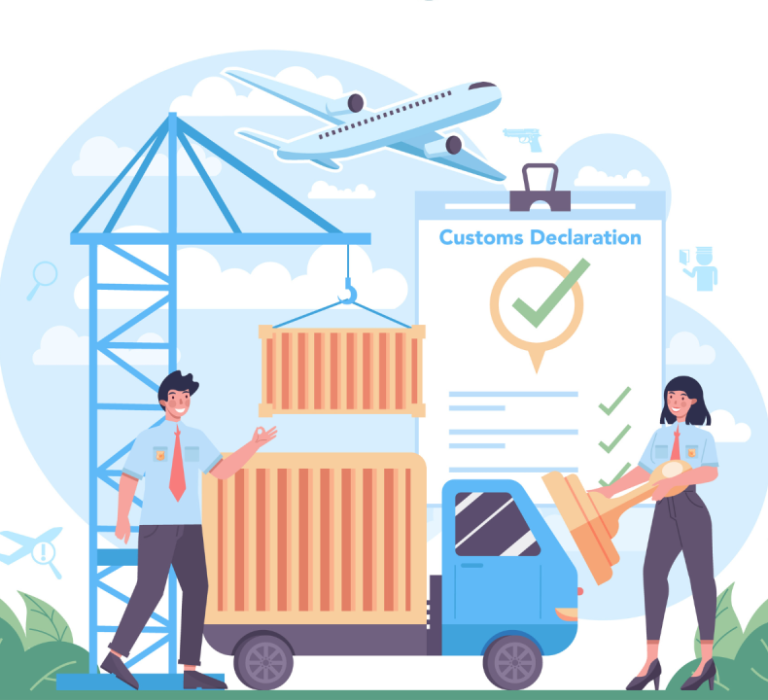
Customs Procedures
-
Handling interactions with customs authorities at both export and import locations.

4. Customs Clearance Process in China
The customs clearance process in China is stringent and involves multiple steps to ensure compliance:
4.1 Pre-Shipping Preparations
Before shipping goods to or from China:
-
Obtain Certifications:
- Examples: CCC certification for general products, CFDA for health-related goods.
- Use Accurate HS Codes: Avoid delays by ensuring the correct product classification.
- Comply with GB Standards: GB (Guobiao) standards are China's national standards for product quality, packaging, and labeling.
4.2 Required Documentation
To clear customs in China, the following documents are necessary:
- • Bill of Lading: Evidence of the shipment contract.
- • Invoice: A commercial invoice detailing the transaction.
- • Packing List: A detailed description of the contents.
- • Certificates: Certifications specific to the product type (e.g., CFDA, CCC).
- • Import License: Required for restricted products.
4.3 Taxes and Tariffs
Taxes in China include:
- VAT (Value-Added Tax): Applied to most imports.
- Excise Duty: Levied on specific goods like alcohol and luxury items.
- Customs Duty: Calculated based on the CIF (Cost, Insurance, and Freight) value.
5. Common Challenges and Solutions
Challenges
- Incorrect Documentation: Missing or inaccurate documents can lead to shipment delays or fines.
- Misclassification of Products: Using incorrect HS codes results in legal complications.
- Failure to Meet Chinese Standards: Non-compliance with GB standards or missing certifications can result in confiscation of goods.
Solutions
- Partner with a Customs Broker: To navigate complex regulations efficiently.
- Double-Check Documentation: Ensure all certificates and declarations are accurate.
- Invest in Staff Training: Educate your team on customs regulations and documentation requirements.
6. Prohibited and Restricted Items
China has strict regulations regarding the import and export of certain goods.
Prohibited Items
- • Weapons and Ammunition: Includes firearms, explosives, and related items.
- • Counterfeit Currency: Fake money and securities.
- • Harmful Substances: Illegal drugs and other dangerous materials.
- • Cultural Materials: Items that could harm China’s political or social interests.
- • Live Animals: Except for specific pets like cats and dogs.
Restricted Items
- • Food Products: Health certificates are required for food imports.
- • Plants:Certain seeds and organic materials need special permits.
7. Shanghai's Customs Clearance Services
ShangHai offers comprehensive support to simplify the customs clearance process:
- Customs Clearance for Imports and Exports: Efficient handling of documentation and compliance for both directions.
- Free Warehousing: Up to 30 days of free storage to accommodate processing time.
- Shipping Support: Tailored solutions for air, sea, or land freight.
- Accurate Product Classification: Expertise in HS codes to avoid delays.
FAQs on China Customs Clearance
1. What is the Customs Clearance Timeframe?
Clearance times vary based on the product type and accuracy of the documentation but typically range from 1 to 3 days for standard goods.
2. Can Food Be Imported?
Yes, but health-related certifications (e.g., CFDA) are mandatory.
3. Why Use a Customs Agent?
Customs agents reduce the risk of errors, fines, and shipment delays by ensuring compliance with regulations.
Conclusion
Customs clearance in China can be complex due to its strict regulatory framework, but understanding the process and preparing the correct documentation can help prevent delays and fines. Partnering with a reliable customs broker or freight forwarder like ShangHai ensures efficient handling, accurate product classification, and smooth delivery of your goods.By leveraging the growing rail infrastructure, such as the New Silk Road, companies can streamline logistics, expand their reach to European and Central Asian markets, and remain competitive in the global economy.
For businesses looking for reliable, efficient, and sustainable shipping solutions, rail freight is undoubtedly the way forward.